
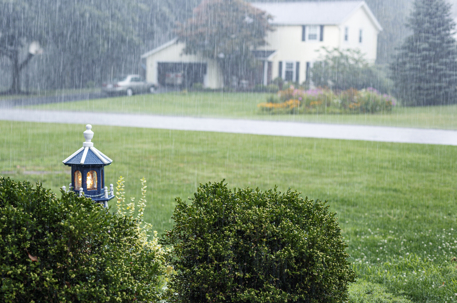
For many homeowners in Northern Virginia, the arrival of spring brings a welcome change in weather, but it also marks the beginning of heavy seasonal rains. While we often worry about our roofs or basements during a downpour, your waste system is quietly facing one of its toughest missions of the year. Whether your home uses a municipal connection or a private tank, your sewer line is the critical link that must remain clear to prevent disaster.
When the ground becomes oversaturated, the entire process of moving waste away from your home can grind to a halt. Understanding how your plumbing interacts with the environment is the first step in preventing a messy and expensive failure. By learning the signs of a struggling system and taking tactical precautions, you can ensure your home remains mission-ready all season long.
How Your Sewer Line and Septic System Work During a Storm
Your waste system relies on a clear path through the sewer line to transport liquid and solids away from your living space. In a septic setup, this line leads to a tank where solids settle while the liquid flows out into the drain field—a series of pipes buried in gravel and soil. The soil acts as a natural filter, but it can only hold so much liquid at once, much like a sponge that has been fully wrung out.
When heavy spring rains saturate the earth, the ground loses its ability to "breathe" and absorb the incoming liquid from your home. This pressure can cause water to flow backward through the sewer line and into the tank, or even push untreated waste to the surface of your yard. It is a delicate balance that can be disrupted by a single week of heavy Virginia storms.
To help your waste system survive the wet season, consider these practical adjustments:
- Divert your roof gutters and downspouts at least ten feet away from your sewer line and septic area to reduce the water load.
- Avoid planting trees or heavy shrubs near your underground pipes, as thirsty roots can clog lines and cause structural breaks.
- Ensure the soil over your tank and main lines is slightly mounded to encourage rainwater to run off rather than pooling.
- Clear away heavy debris or leaf piles that might trap moisture in the soil and prevent it from drying out between storms.
Signs Your Waste System is Overloaded
Detecting a problem early is the best way to prevent a total system failure. During or after a heavy rain, your plumbing might start acting differently because the water in the saturated ground is pushing back against the waste trying to leave your house. These are not just minor inconveniences; they are red flags that your sewer line is under heavy fire from the elements.
If you notice these changes during the spring, your system is likely struggling to keep up with the saturated environment. You should be on the lookout for physical changes both inside and outside the home.
Keep a close eye on these specific indicators of an overloaded system:
- Toilets that flush slowly or make a gurgling sound when you run the laundry or dishwasher.
- Multiple drains in the lower levels of your home taking a long time to clear or backing up.
- The smell of sewage or rotten eggs near your yard’s sewer line path or tank area.
- Standing water or unusually muddy patches appearing over your underground pipes even days after the rain stops.
Expert Tips to Reduce System Stress
When the ground is already soaked from a spring storm, the last thing your system needs is a massive influx of water from inside the house. Managing your water usage is a cost-effective and immediate way to give your sewer line and septic tank a fighting chance. By spreading out the "workload," you allow the ground time to process the liquid it already has before adding more.
Think of your waste pipes like a highway; if too many cars try to enter at once during a rainstorm, everything comes to a standstill. You can prevent this "traffic jam" by changing how you handle daily chores during wet weeks.
Try these simple water-saving tactics to protect your infrastructure:
- Spread out your laundry loads throughout the week instead of doing multiple loads in a single day.
- Limit the length of showers and avoid running the dishwasher at the same time the washing machine is on.
- Address any plumbing repair needs immediately, such as leaky faucets, as even a small drip adds unnecessary gallons to your system.
- Avoid using your garbage disposal during wet weather to keep excess solids from clogging an already stressed sewer line.
Maintaining a Mission-Ready Waste System
Keeping your waste system functional during the spring thaw is essential for the safety and health of your home. When the earth is saturated, the margin for error disappears, making routine care and smart water management your best defense against a backup. By respecting the limits of your drainage area and watching for early warning signs, you can avoid the stress of a plumbing emergency and keep your household running smoothly.
If your yard is showing signs of trouble or your drains are slowing down, Marines Service Co. is here to help you secure your home’s infrastructure. We provide professional sewer services to identify blockages and evaluate the health of your lines. Our team utilizes advanced drain cleaning and camera inspections to see exactly what is happening underground, providing straightforward solutions with the integrity and discipline you deserve.
Don't let a spring storm wash away your peace of mind. Contact Marines Service Co. today at (703) 215-9076 or book your service online to ensure your system is ready for the rain.